The art of gathering.
Confucius offers a way to think about the people around the table, and the care we bring to a shared occasion.
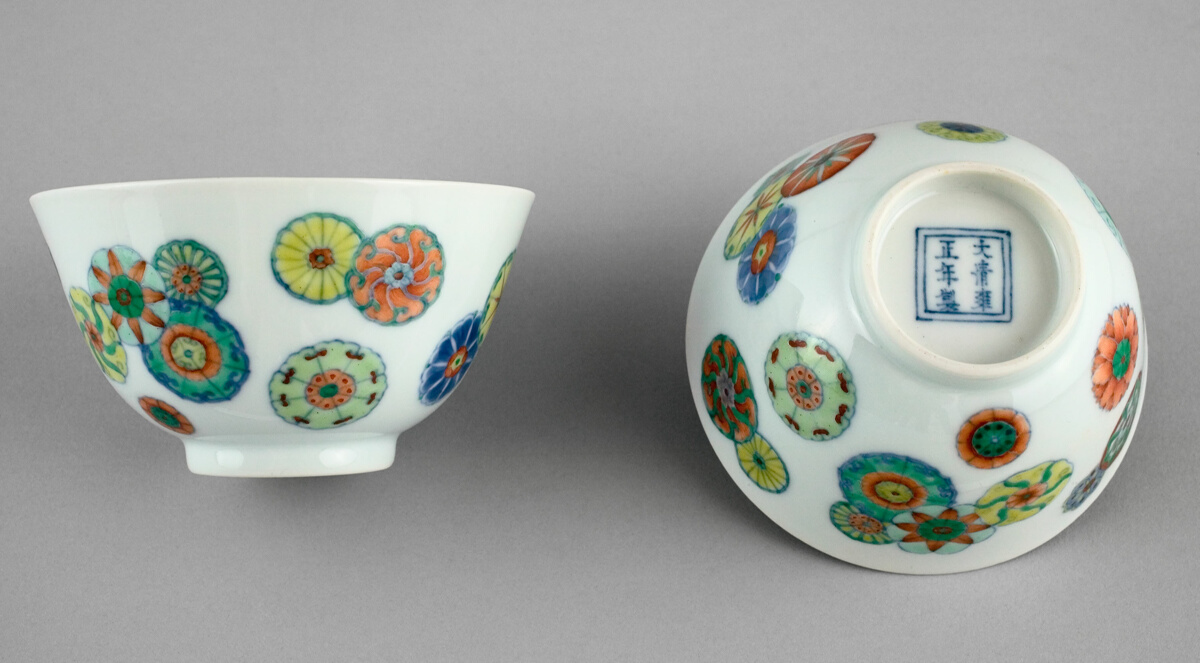
A detail at the table
The Analects gathers sayings and accounts associated with Confucius and his followers. In the chapter Xiang Dang, descriptions of everyday conduct include food and drink.
One short passage says that his drinking had no fixed measure, while describing a limit before disorder. Read in full, the emphasis falls on conduct and restraint. It supplies no drinking recommendation for a modern reader.
The passage concerns ancient wine or alcoholic drink. Identifying the drink as a bottle of modern distilled baijiu would require evidence the passage does not supply.
Ritual as consideration
The Chinese term li (礼) is often translated as ritual or propriety. It invites attention to the way actions fit an occasion and express regard for others.
Our reading applies that question to hospitality. A host can explain a toast, introduce a drink, and ask what a guest would enjoy. A guest can be curious while choosing their own level of participation.
Seen this way, the table becomes a place to learn. The interesting detail may be how a cup is offered, the words of a welcome, or the dish that accompanies it.
A place for every guest
In the contemporary gatherings we encourage, welcome includes people who choose water or another alcohol-free drink. A toast can acknowledge an occasion while respecting that choice.
When exploring an unfamiliar tradition, ask the host about the meaning of a gesture. Customs vary, and the people present are better guides than a universal rule.
Sources & context
The ancient drinking reference is Analects 10.8. Hospitality guidance and its application to contemporary baijiu culture are this website’s editorial interpretation.